
If you’re dealing with bed bugs, relying on harsh chemicals might not be your best option. You can effectively manage infestations by combining thorough inspections, natural remedies like diatomaceous earth and essential oils, and temperature treatments general pest control. These methods target bed bugs at all life stages while minimizing environmental impact. Understanding how to identify their hiding spots and applying consistent, chemical-free strategies can greatly improve your chances of success—but what specific steps should you take first?
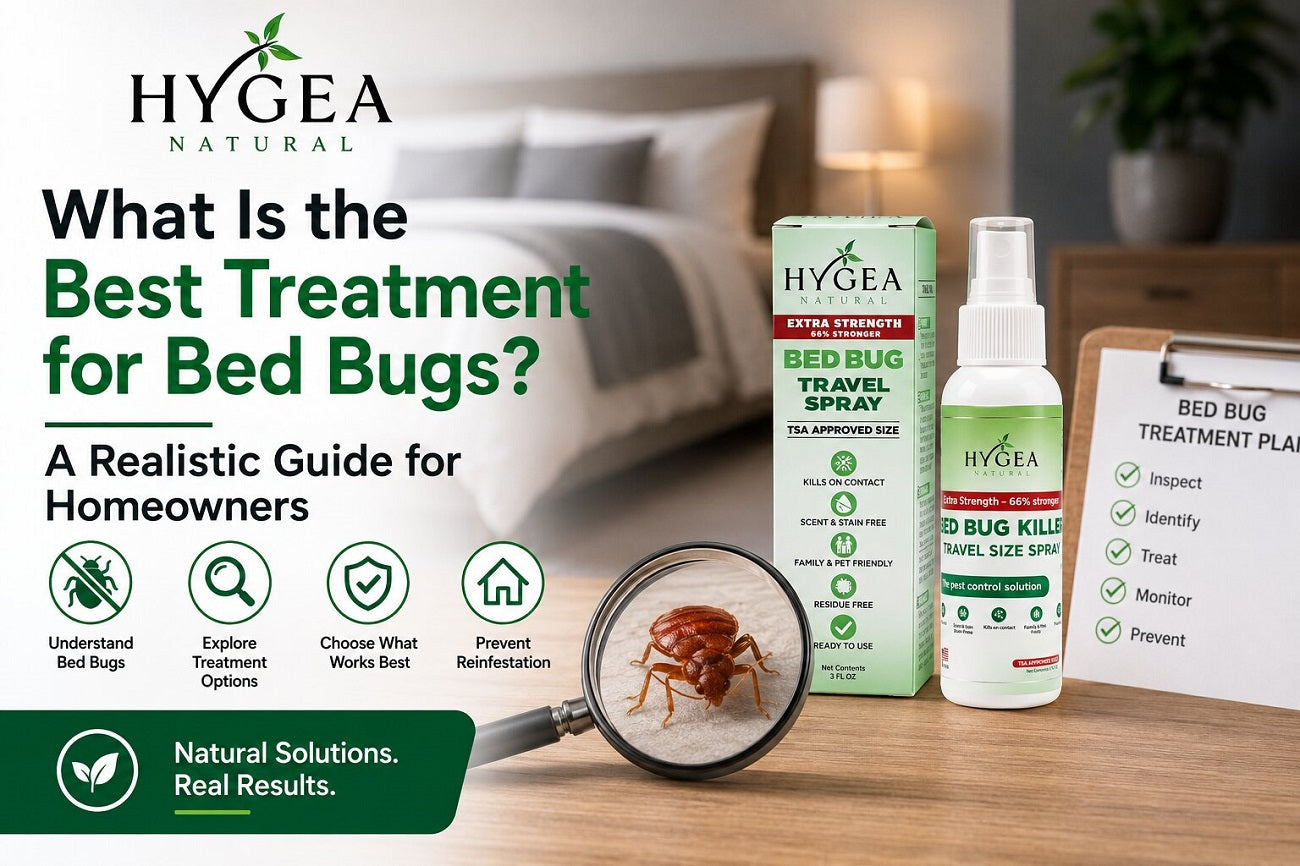
How to Identify Bed Bugs and Their Hiding Spots
Although bed bugs are small and elusive, you can identify them by knowing their physical characteristics and typical hiding spots https://igreenasia.com/. These insects measure about 4 to 5 mm, with flat, oval-shaped, reddish-brown bodies. They lack wings, but their legs enable swift movement.
You’ll often find them near sleeping areas, hiding in mattress seams, bed frames, headboards, and cracks in furniture. Bed bugs also favor dark, tight spaces like electrical outlets and behind wallpaper.
Because they feed on human blood, you might notice small blood stains or dark fecal spots on bedding. Inspecting these specific areas closely allows you to detect infestations early, giving you the freedom to address the problem promptly and effectively before it spreads.
Natural Remedies That Kill Bed Bugs Effectively
When you want to eliminate bed bugs without relying on chemical pesticides, natural remedies offer effective alternatives backed by scientific research. Diatomaceous earth, composed of fossilized algae, damages bed bugs’ exoskeletons, causing dehydration and death. You can apply it in cracks and crevices where bed bugs hide.
Essential oils like tea tree, lavender, and eucalyptus contain compounds toxic to bed bugs, disrupting their nervous systems; dilute and spray them cautiously on infested areas.
Heat treatment is another proven method—bed bugs perish when exposed to temperatures above 120°F (49°C) for at least 90 minutes.
Combining these approaches enhances efficacy and minimizes resistance. By choosing these scientifically supported natural solutions, you maintain control over your environment without sacrificing safety or freedom from harsh chemicals.
Preventing Bed Bug Infestations Without Chemicals
Since bed bugs can quickly establish themselves in your living space, preventing infestations requires proactive measures that don’t involve chemicals. Regularly inspect common hiding spots like mattress seams, bed frames, and furniture crevices.
Use protective encasements on mattresses and box springs to block entry points. Seal cracks and crevices in walls and baseboards to limit their movement.
When traveling, inspect hotel rooms carefully and keep luggage elevated on racks. After trips, wash and dry clothing on high heat to eliminate hitchhikers.
Reduce clutter to minimize potential hiding places. Vacuum frequently using a machine equipped with a HEPA filter, and dispose of vacuum bags immediately.
These precise actions create an environment hostile to bed bugs, empowering you to maintain control naturally and avoid reliance on chemical treatments.

Using Heat and Cold Treatments to Eliminate Bed Bugs
If you want to eliminate bed bugs without chemicals, applying extreme temperatures offers an effective alternative. Heat treatments require raising room temperatures to at least 120°F (49°C) for a sustained period, typically 90 minutes, which penetrates furniture and mattresses, killing all life stages of bed bugs.
Conversely, cold treatments involve exposing infested items to temperatures below 0°F (-18°C) for a minimum of four days, ensuring thorough extermination. Both methods rely on precise temperature control and duration to disrupt the bugs’ metabolic functions and cellular integrity.
You can use professional equipment or controlled environments like heat chambers or freezers. These physical controls avoid chemical residues and resistance issues, empowering you to reclaim your space naturally and safely from bed bugs.
Tips for Maintaining a Bed Bug-Free Home Naturally
Although eliminating bed bugs requires targeted treatments, maintaining a bed bug-free home depends on consistent preventive measures.
First, regularly inspect bedding, furniture, and cracks for signs of infestation to catch problems early. Use protective mattress and box spring encasements designed to block bed bugs. Keep clutter minimal to reduce hiding places.
Wash and dry bedding at high temperatures weekly to kill any residual bugs. Seal cracks and crevices in walls and furniture to limit entry points.
When traveling, inspect hotel rooms and keep luggage elevated and away from beds. Upon returning, immediately launder clothes and vacuum luggage.
These precise habits reduce the risk of reinfestation naturally, giving you control and freedom from persistent bed bug problems without relying on harsh chemicals.
Conclusion
By thoroughly inspecting your home and sealing potential hiding spots, you can greatly reduce bed bug risks. Combine regular cleaning with natural remedies like diatomaceous earth and essential oils, which target bed bugs’ exoskeletons and nervous systems effectively. Employ heat treatments—raising temperatures above 120°F for at least 90 minutes—to eliminate all life stages safely. Staying vigilant and consistent with these eco-friendly methods ensures a reliable, chemical-free approach to maintaining a bed bug-free home.


