
Tian Xuan Feng Shui emphasizes the dynamic flow of qi through unobstructed pathways, enhancing vitality and balance in the home. Aligning the Bagua zones with the floor plan guides strategic room placement to optimize energy in key life areas. Color and material choices reflect elemental energies, supporting harmonious qi circulation. Furniture arrangement promotes open pathways and commanding views while avoiding stagnation. For a thorough approach to cultivating purposeful living environments, exploring these core principles further reveals practical applications.
Understanding Tian Xuan Feng Shui Energy Flow in Your Home
Tian Xuan Feng Shui frequently emphasizes the dynamic movement of energy, or qi, within residential spaces, recognizing it as an essential determinant of harmony and well-being.
This approach views qi as fluid, requiring unobstructed pathways to circulate freely, enhancing vitality and balance. Blockages or stagnant energy can create tension https://yapfengshui.my/, impacting residents’ mental clarity and freedom.
Practical application involves arranging furniture and architectural elements to support smooth energy flow, avoiding sharp corners or cluttered areas that disrupt circulation. Attention to natural light and ventilation further amplifies positive qi movement, fostering an environment conducive to personal growth and autonomy.
Understanding this energy flow allows inhabitants to consciously design their homes, creating spaces that nurture freedom through balanced, harmonious living.
Aligning the Bagua Zones for Residential Feng Shui Planning
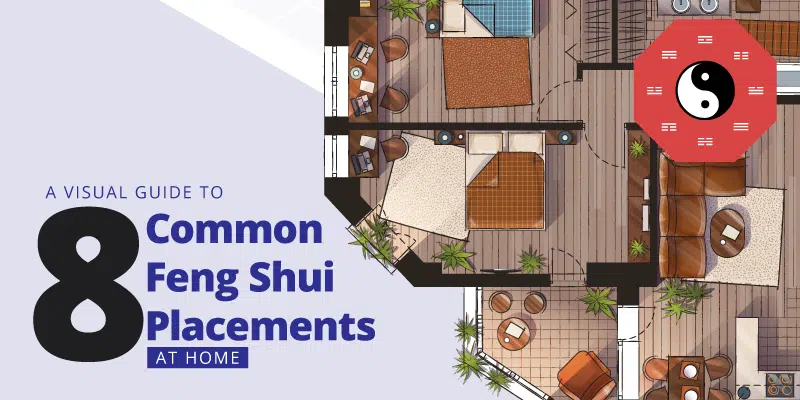
The flow of qi within a home sets the foundation for effective Feng Shui application, but to fully harness its benefits, one must consider the spatial organization dictated by the Bagua map. Aligning the Bagua zones involves overlaying this octagonal energy grid onto the floor plan, assigning specific life areas—such as wealth, health, and relationships—to corresponding sectors.
This alignment allows practitioners to strategically enhance or remedy energy in targeted zones, optimizing the home’s energetic balance. Precision in placement respects the home’s entrance as the Bagua’s starting point, ensuring each sector harmonizes with its function. By thoughtfully positioning rooms and key elements within these zones, individuals can cultivate an environment that supports freedom, well-being, and purposeful living.
Choosing Colors and Materials for Tian Xuan Feng Shui
Selecting appropriate colors and materials plays a pivotal role in enhancing the energetic harmony prescribed by Tian Xuan Feng Shui. Colors must align with the five elemental energies—wood, fire, earth, metal, and water—to support the intended atmosphere and promote balance. For instance, blues and blacks stimulate water energy, fostering calm and clarity, while reds and oranges invoke fire energy, encouraging vitality and passion.
Materials also contribute greatly; natural elements such as wood, stone, and metal should be chosen deliberately to reflect the desired energy flow, reinforcing stability or movement as needed. Synthetic or overly artificial materials may disrupt this balance, hindering qi circulation. Thoughtful selection of colors and materials empowers residents to shape a living environment that nurtures freedom, wellbeing, and purposeful energy integration.
Arranging Furniture According to Tian Xuan Feng Shui Principles
Colors and materials establish the foundational energy within a space, but their impact is maximized when complemented by strategic furniture placement. Tian Xuan Feng Shui emphasizes arranging furniture to promote the smooth flow of Qi, avoiding blockages or sharp angles that disrupt energy circulation.
Key principles include positioning seating to face the entrance, providing a commanding view without being directly in line with doorways, fostering security and awareness. Furniture should be balanced in size and shape, harmonizing with the room’s proportions to maintain equilibrium.
Open pathways encourage freedom of movement and positive energy exchange. Avoid cluttering corners or crowding spaces, as this restricts Qi and creates stagnation. Thoughtful, purposeful placement aligns the environment with natural forces, supporting well-being and liberation within the home.
Quick Feng Shui Fixes to Refresh Your Home’s Energy
Frequently overlooked, small adjustments can markedly rejuvenate a home’s Feng Shui without extensive renovations. Simple actions such as decluttering entryways enhance Chi flow, inviting positive energy into the living space.
Introducing natural elements like plants or water features balances the environment and invigorates stagnant areas. Proper lighting—both natural and artificial—also plays a pivotal role in energizing rooms, promoting clarity and importance.
Repositioning mirrors to reflect light and expand space can effectively redirect energy currents, fostering harmony. Additionally, renewing textiles and décor with vibrant colors aligned to the home’s elemental needs supports emotional well-being.
These quick fixes empower residents to optimize their home’s energy autonomously, creating an environment conducive to freedom, balance, and renewed vigor without complicating daily life.
Conclusion
Tian Xuan Feng Shui offers a precise framework for optimizing residential energy flow through careful alignment of Bagua zones, thoughtful color and material selection, and strategic furniture placement. By understanding and applying these principles, homeowners can create harmonious, balanced environments that support well-being and prosperity. Implementing even simple Feng Shui adjustments can markedly enhance a home’s liveliness, making Tian Xuan Feng Shui an essential guide for practical and effective residential planning.


